



Gaseous Ozone Technology
This project explores the use of continuous gaseous ozone technology during cold storage as an alternative postharvest management strategy for fresh peaches. The research focuses on understanding how sustained ozone exposure influences fruit physiology, quality attributes, and storage-related disorders. Through controlled storage studies, this work aims to define practical application boundaries and evaluate the feasibility of gaseous ozone within commercial peach storage systems.
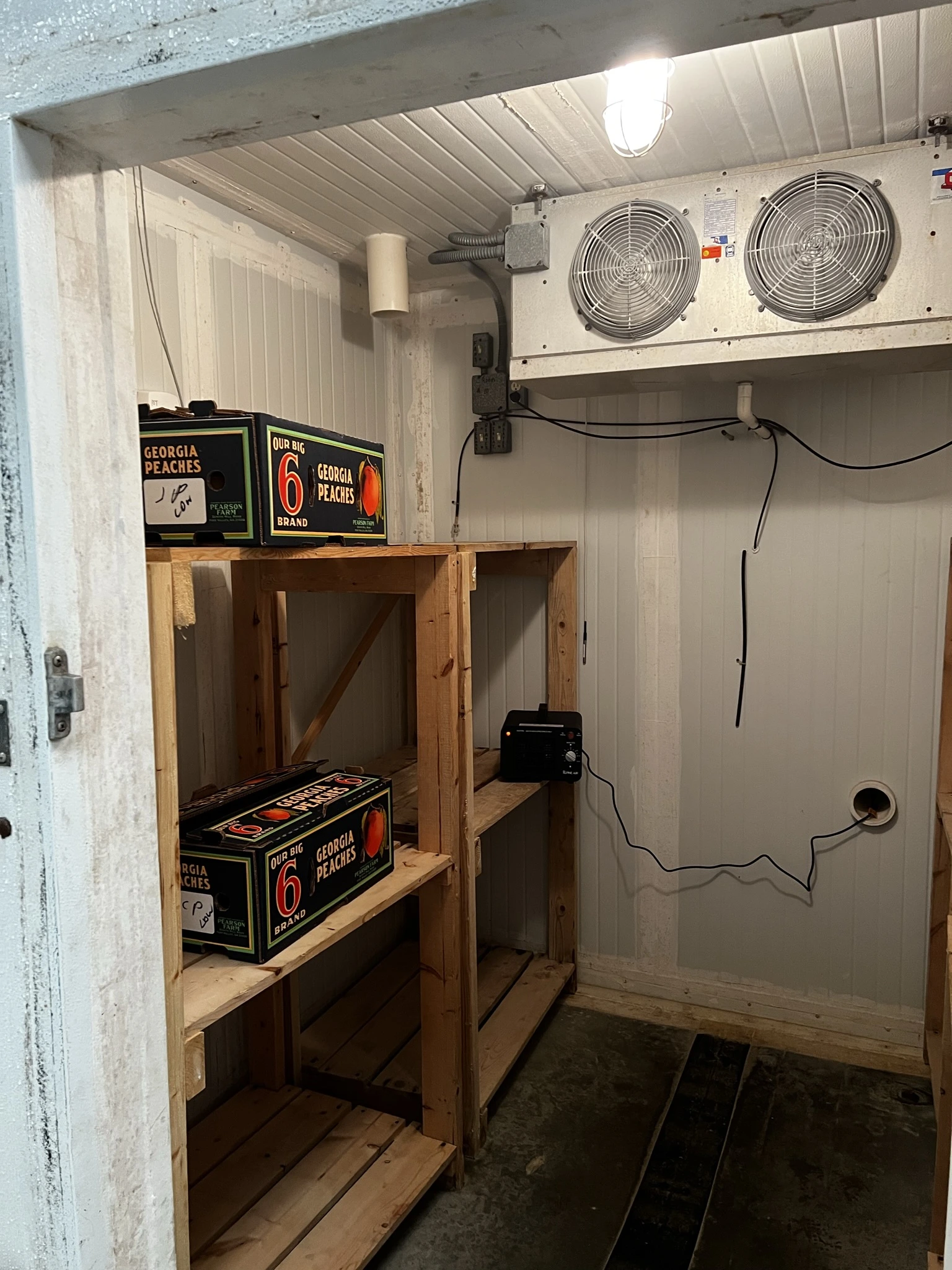
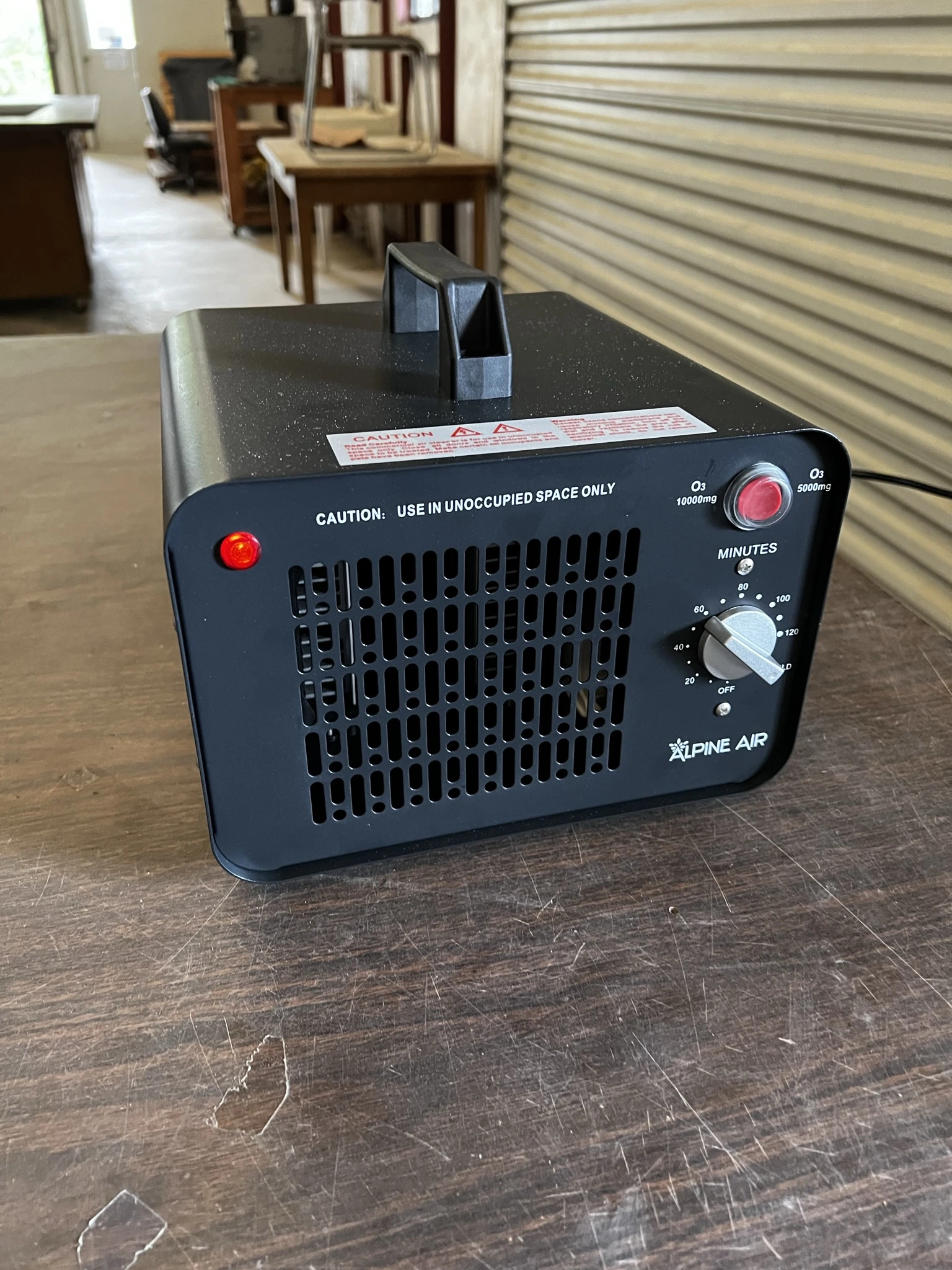
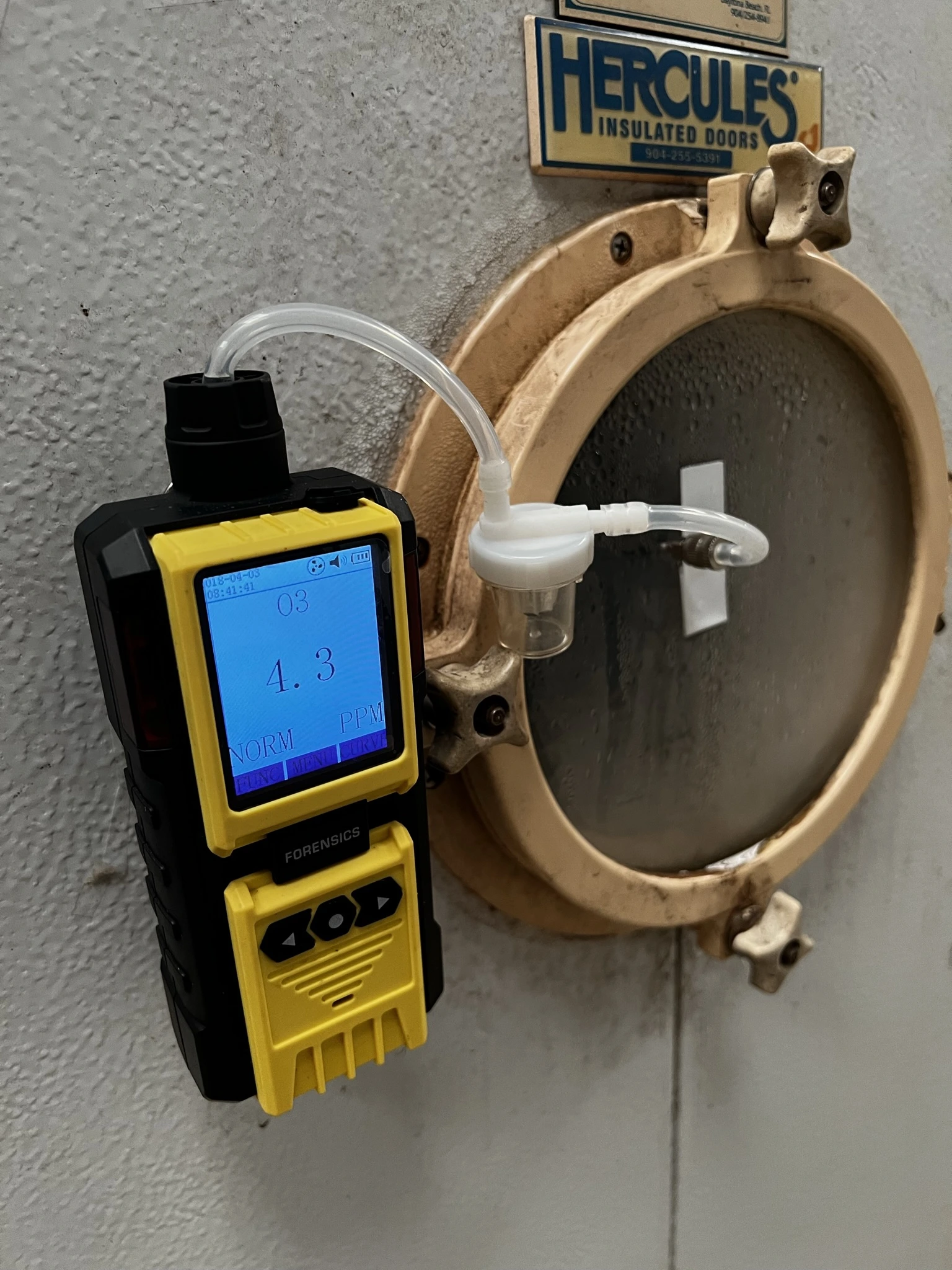
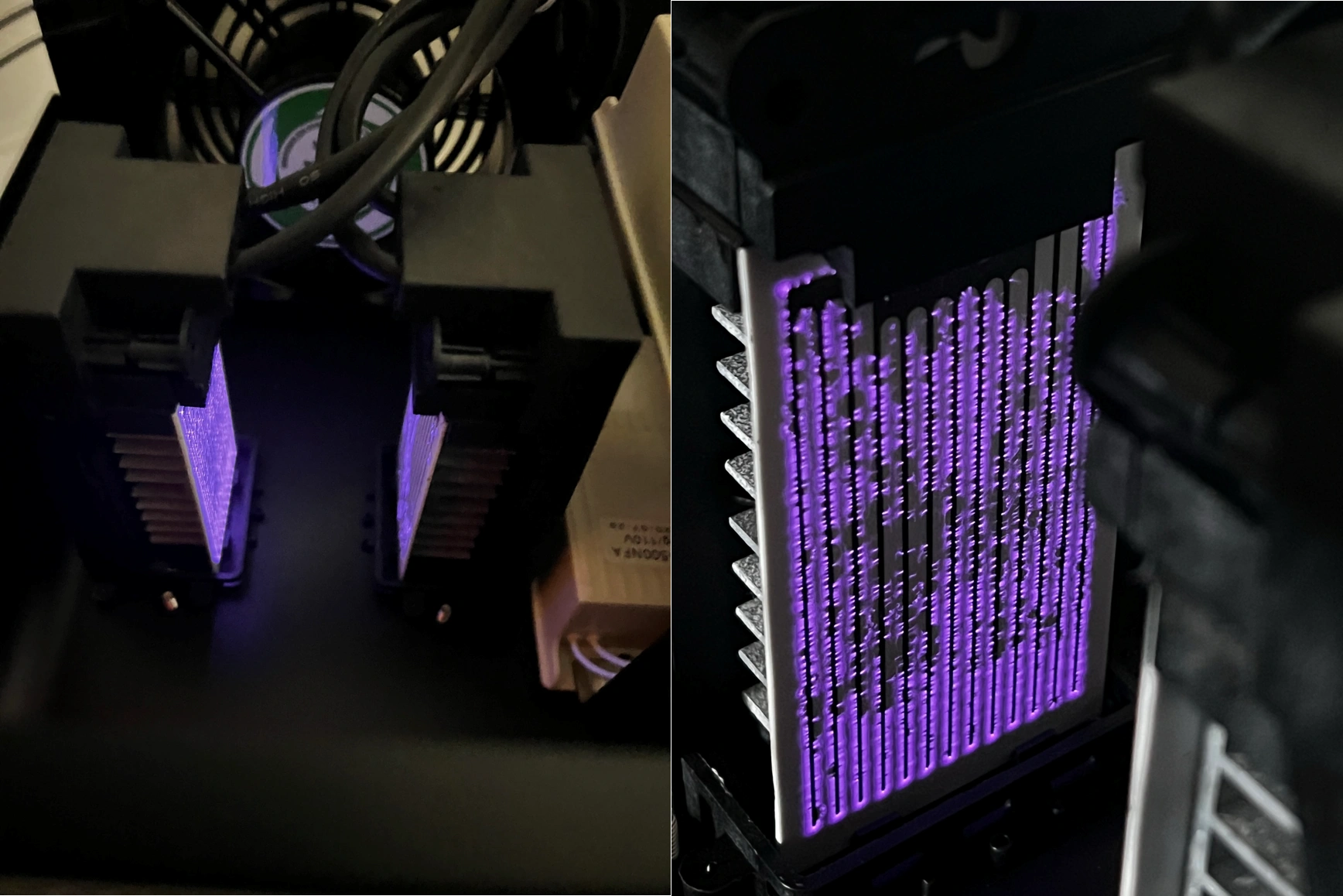


Gaseous Ozone Technology
Application of gaseous ozone in postharvest fruit preservation to extend shelf life and maintain quality.
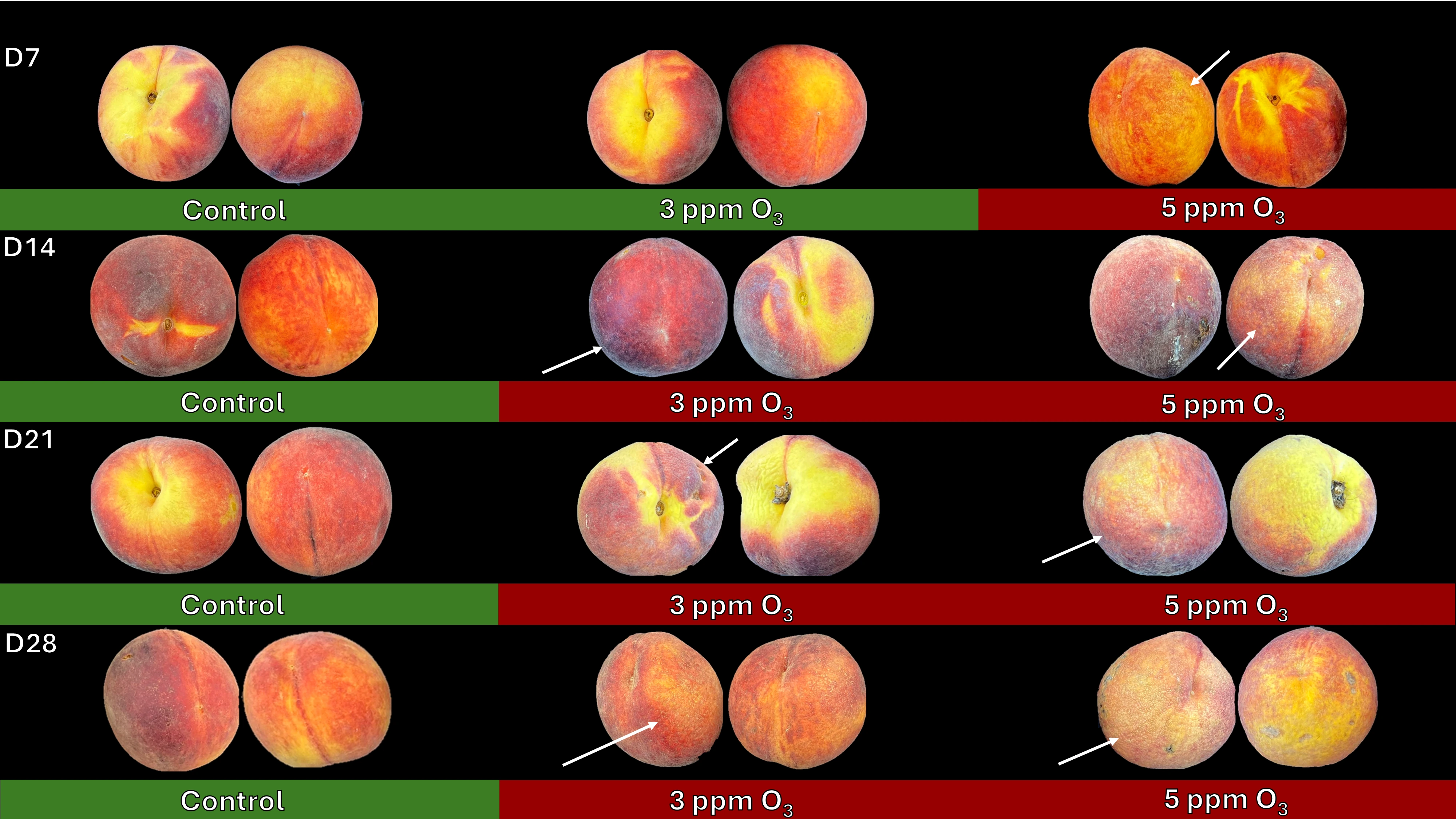
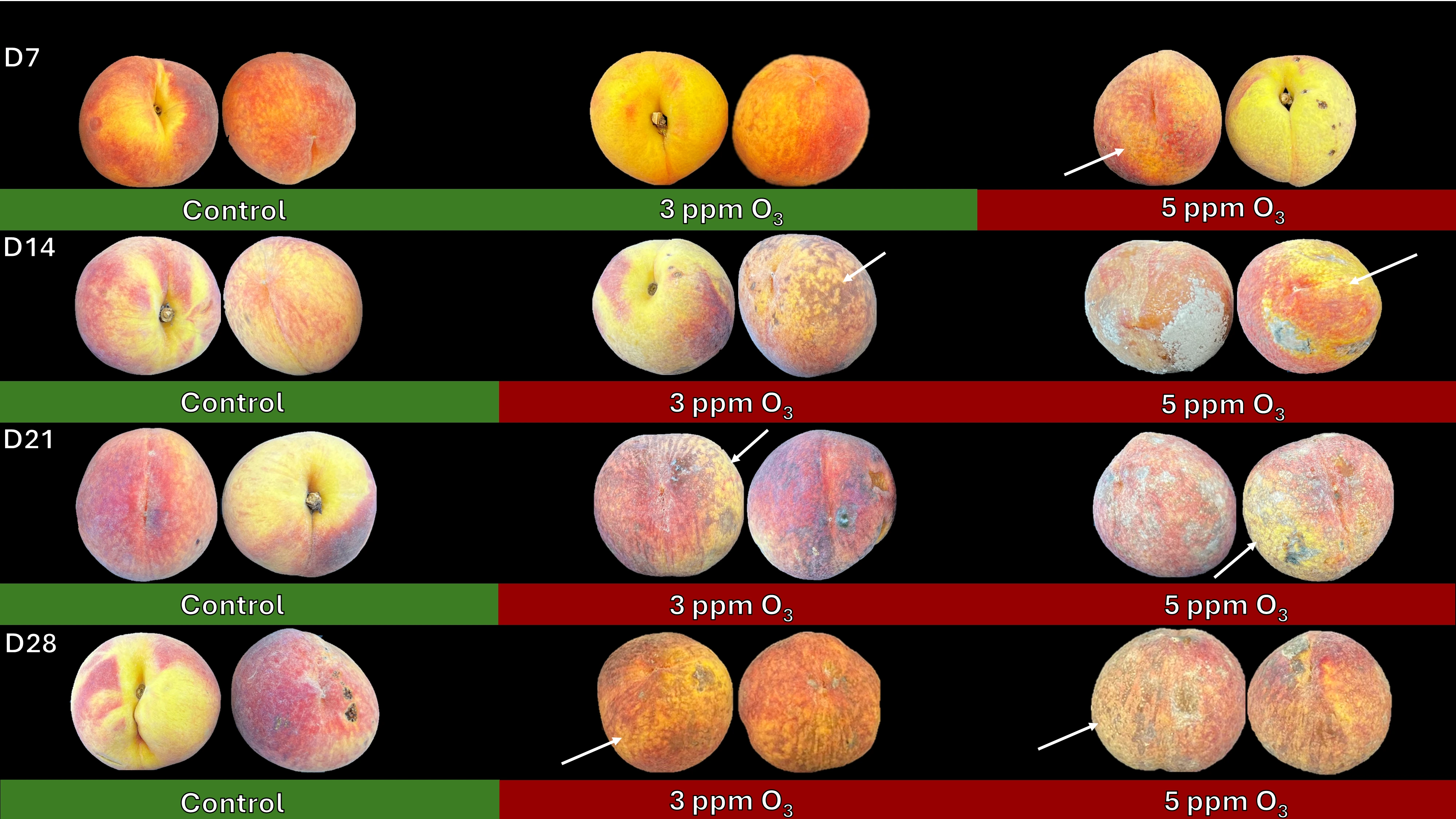
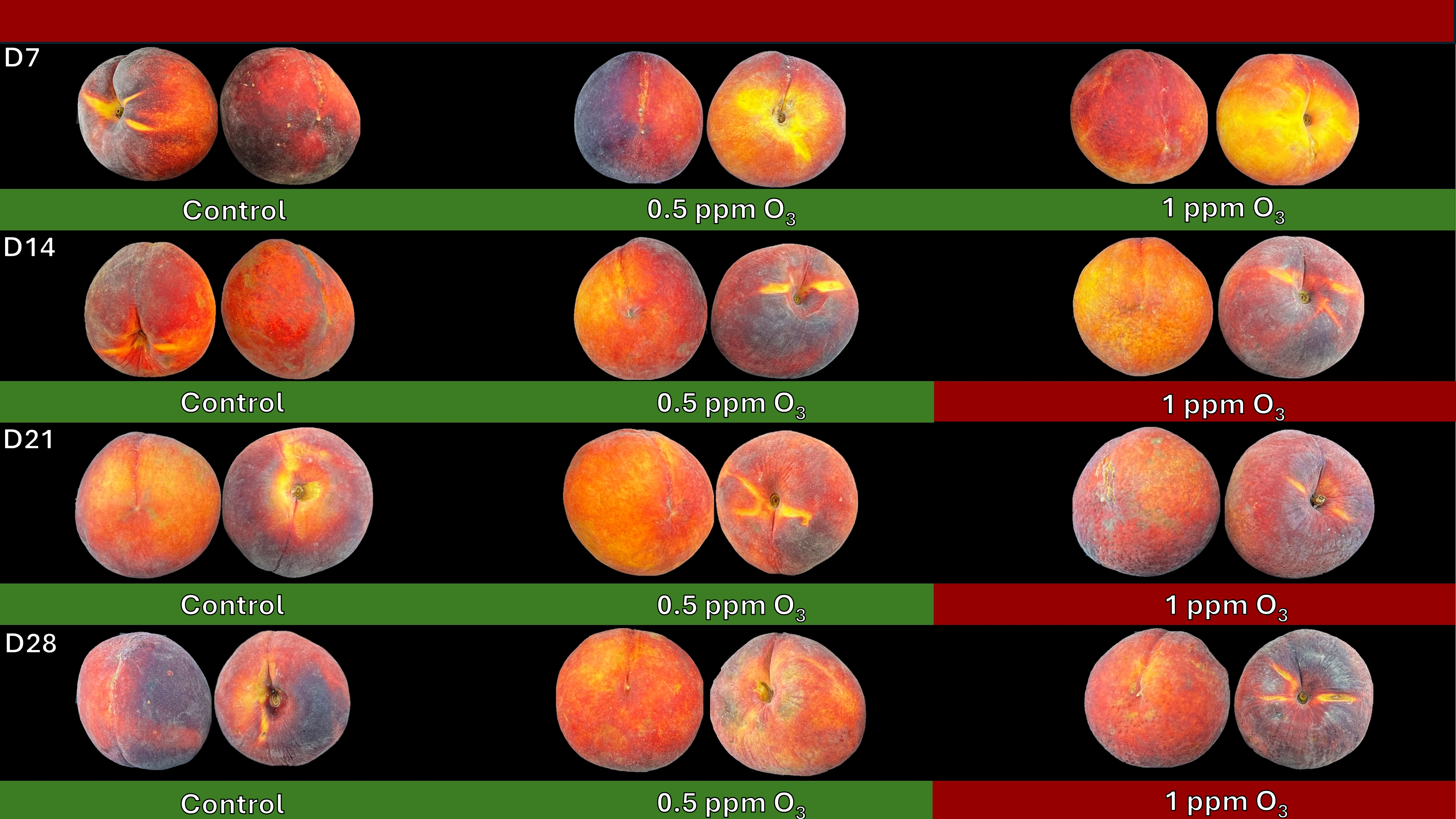
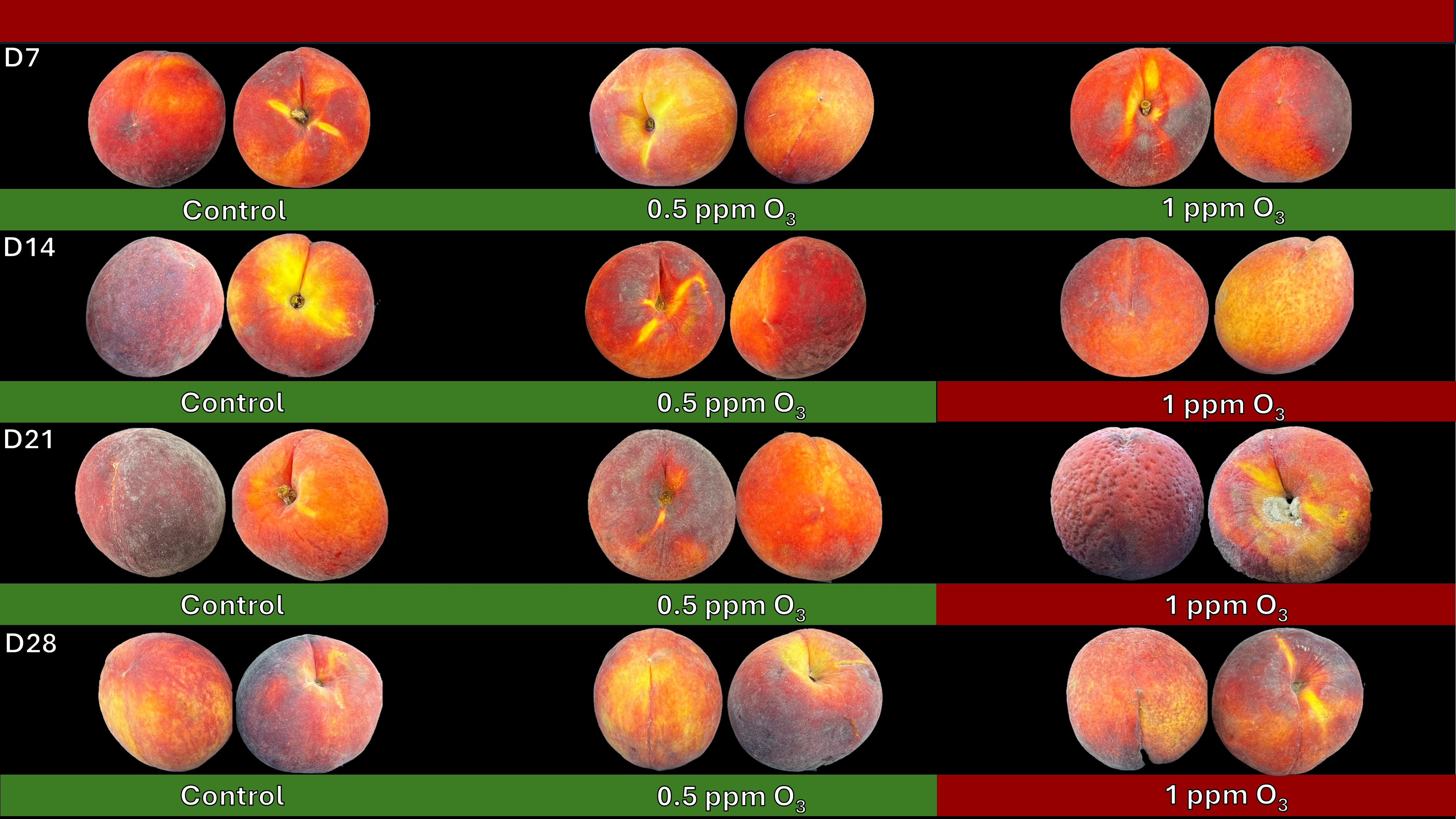
This project evaluated continuous gaseous ozone applications during cold storage as a potential strategy to manage decay incidence while maintaining peach quality. An initial study examined higher ozone concentrations (3 and 5 ppm) to determine cultivar tolerance and physiological responses under refrigerated storage. Following evidence of quality deterioration at elevated levels, a second study investigated lower continuous concentrations (0.5 and 1.0 ppm) applied to O'Henry and August Lady peaches over 28 days at 1.1°C. Results demonstrated that while lower concentrations maintained overall quality comparable to cold storage controls, exposure to 1 ppm induced pitting and external quality defects, highlighting the narrow tolerance of melting-flesh peaches to continuous ozone exposure.
Peach cold storage is essential for extending market availability, yet prolonged refrigeration increases the risk of decay development, chilling injury, and external quality disorders. While ozone is recognized as a strong oxidizing agent with potential antimicrobial properties, its continuous application during storage may also induce physiological stress and surface damage depending on concentration and exposure duration. The challenge was to determine safe gaseous ozone thresholds that could be applied continuously during cold storage without compromising fruit quality or exacerbating storage-related disorders.
A stepwise experimental approach was implemented to define safe application thresholds for continuous gaseous ozone during cold storage. Initial trials evaluated higher ozone concentrations to determine cultivar tolerance and identify potential risks of oxidative stress and surface injury. Based on those findings, subsequent studies focused on lower continuous exposure levels under controlled refrigerated conditions to assess their effects on decay incidence, weight loss, and overall fruit quality. This approach allowed for the identification of concentration ranges that maintained quality comparable to standard cold storage while highlighting the narrow tolerance of melting-flesh peach cultivars to sustained ozone exposure.
Key Features
- Continuous Ozone Exposure
- Controlled Cold Storage
- Cultivar Tolerance Evaluation
- Decay Monitoring
- Residue-Free Treatment
- Commercial Storage Compatibility